
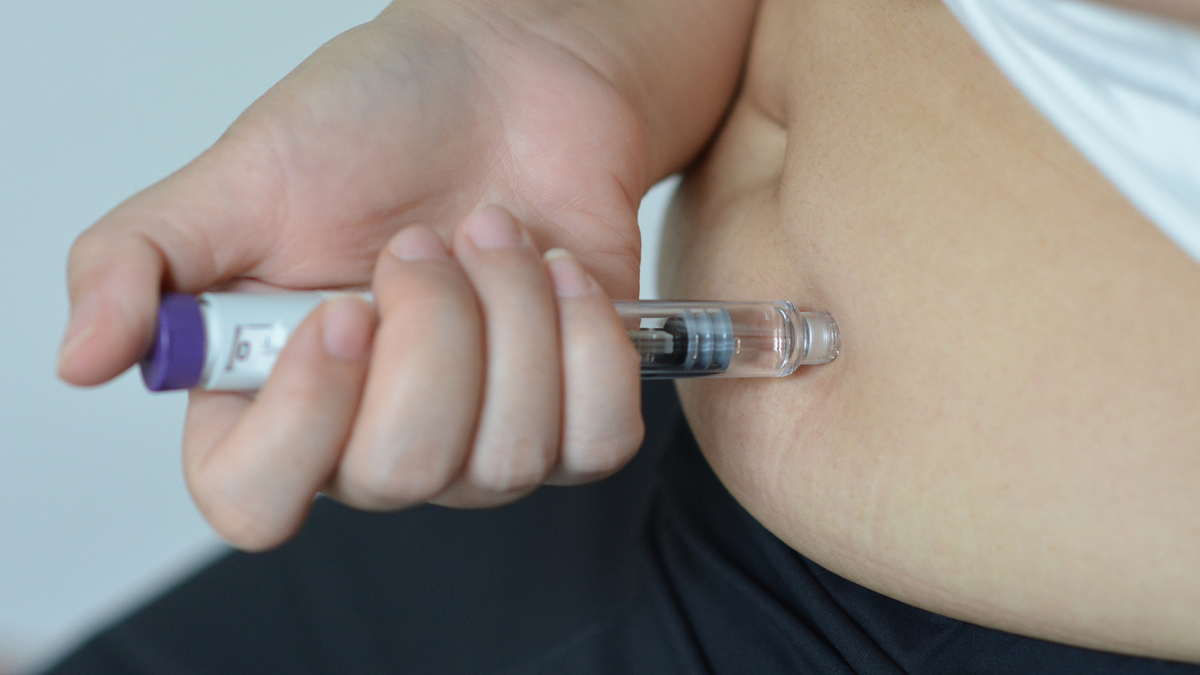
If you've spent any time on social media recently, you've probably heard about GLP-1 medications like Wegovy, Ozempic, and Zepbound.
For some women, these medications have been life-changing tools that helped them achieve significant weight loss after years of struggling. For others, they've raised questions about side effects, muscle loss, and what healthy weight loss should actually look like.
So what does the science say?
Let's separate the facts from the fear.
First, What Are GLP-1 Medications?
GLP-1 medications work by mimicking hormones that help regulate appetite, blood sugar, and feelings of fullness. As a result, many people naturally consume fewer calories and experience significant weight loss.
While these medications can be effective tools, they're exactly that: tools.
They don't replace healthy habits. In fact, the research suggests that lifestyle habits become even more important while taking them.
The Truth About Muscle Loss
One of the biggest concerns surrounding GLP-1 medications is muscle loss.
Here's the reality: whenever someone loses a significant amount of weight—whether through dieting, surgery, or medication—some lean tissue is typically lost alongside fat. GLP-1 medications are not unique in this regard.
Research shows that approximately 25-40% of weight lost during GLP-1 treatment may come from lean tissue, although much of the weight loss still comes from body fat.
That sounds alarming until you understand an important distinction:
Losing some lean mass does not necessarily mean losing strength or function.
Emerging research suggests that muscle quality and physical function are often maintained—and may even improve—as body fat decreases and metabolic health improves.
Why Strength Training Matters More Than Ever
This is where fitness becomes essential.
Studies consistently suggest that resistance training is one of the most effective ways to preserve muscle during weight loss. Women who combine GLP-1 medications with regular strength training and adequate protein intake appear to maintain significantly more lean tissue than those who rely on medication alone.
Strength training helps your body communicate:
"Keep this muscle. I still need it."
Without that signal, your body has less reason to preserve muscle during periods of rapid weight loss.
Protein Is Part of the Equation
Another challenge some women face while taking GLP-1 medications is simply eating enough.
Because appetite decreases, it can become difficult to consume adequate protein and nutrients.
Experts increasingly recommend prioritizing protein intake while on GLP-1 medications to support muscle maintenance, recovery, and overall health.
In some cases, healthcare providers may also monitor for nutrient deficiencies that can occur when food intake drops significantly.
The Goal Isn't Just Weight Loss
For years, women have been taught to focus on a single number: the scale.
But true health is more than body weight.
It's having the strength to carry your child.
It's having the energy to play at the park.
It's maintaining muscle and bone health as you age.
It's feeling confident and capable in your body.
Whether you use a GLP-1 medication or not, those goals remain the same.
What Women Should Focus On
If you're currently taking a GLP-1 medication—or considering one—research suggests focusing on four key habits:
- Strength train at least 2-3 times per week
- Prioritize adequate protein intake
- Stay physically active outside of workouts
- Monitor body composition and strength, not just the scale
These habits help ensure that weight loss supports long-term health, not just short-term results.
The Bottom Line
GLP-1 medications can be effective tools for weight management, but they work best when combined with the habits that support lifelong health.
The conversation shouldn't be "GLP-1s versus exercise."
The science increasingly suggests the better question is:
How can exercise, strength training, and proper nutrition help women get the best possible results while protecting their muscle, strength, and long-term health?
Because the strongest version of yourself isn't defined by a number on the scale.
It's defined by what your body can do.